Thought leadership
Why maintenance matters more than the build

In hospitality tech, launch day gets all the attention. But for independent hotels, the build is really just the beginning. A booking engine integration that performs well on day one can quietly degrade over time, and the revenue impact is often invisible until it's already significant. Here's what to watch for and how to stay ahead of it.
The most common issues hotels run into aren't dramatic system failures. They're subtle: a promo code field that stops accepting input after a platform update, a rewards widget that renders incorrectly on mobile, a confirmation email that fires hours late or not at all. These feel minor in isolation, but each one represents a guest who may have abandoned the booking rather than troubleshooting it themselves.
Knowing when something is broken versus simply underperforming is its own challenge. A broken element is usually identifiable through direct guest feedback or a sudden drop in conversion. Underperformance is harder to catch. If your booking flow feels clunky, loads slowly on certain devices, or has friction points in the checkout process, you may be losing guests without a clear signal that anything is wrong. Regular cross-device testing, booking flow audits, and monitoring your abandonment rate are the baseline habits that separate hotels that catch issues early from those that find out too late.
Proactively, hotels should be running test bookings across desktop and mobile at least monthly, flagging any UI inconsistencies, and keeping an open line with their tech partner around upcoming platform updates that could affect the integration. The question to ask your tech partner isn't just "is everything working?" It's "what updates are coming, how will they affect our setup, and what's the plan if something breaks?" A good development partner treats post-launch support as part of the relationship, not a separate conversation.
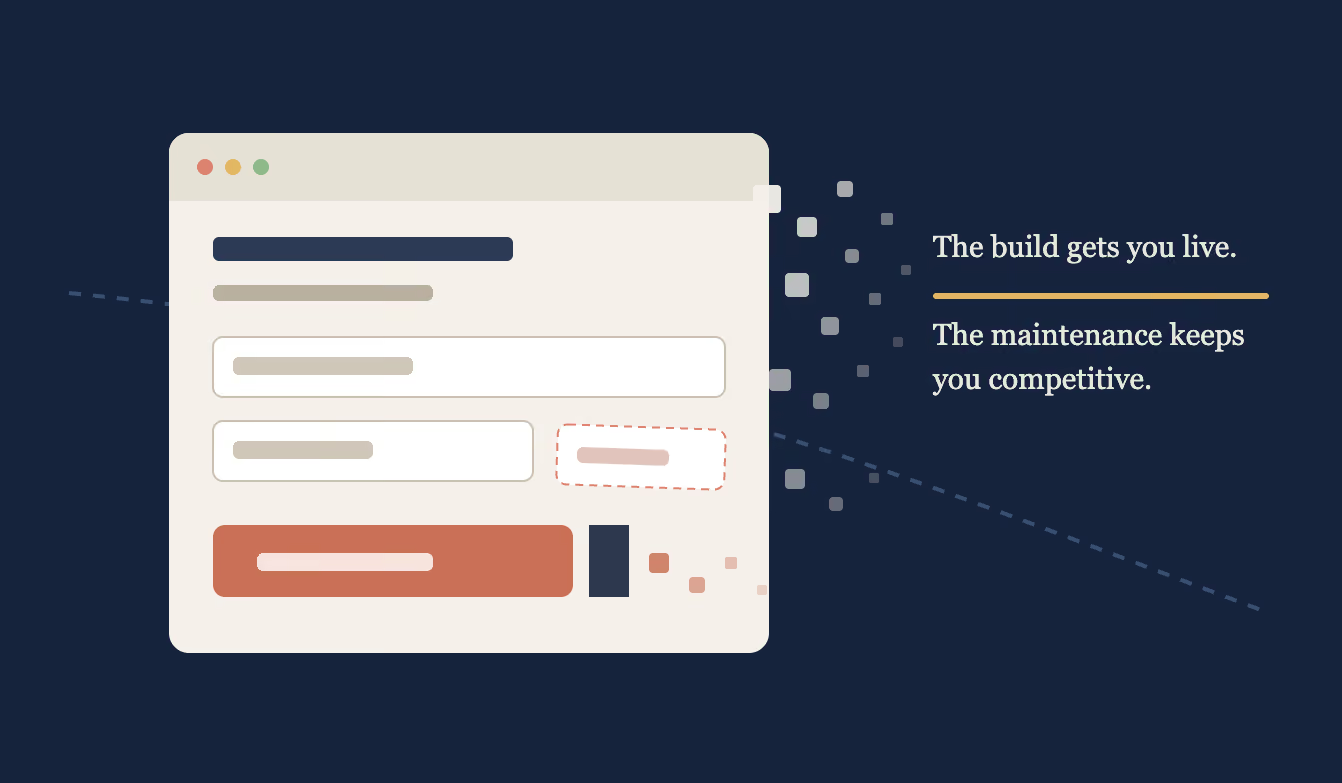
The hotels winning on direct bookings aren't just offering the right incentives. They're making sure the technology behind the experience holds up. The build gets you live. The maintenance keeps you competitive.

.jpg)